
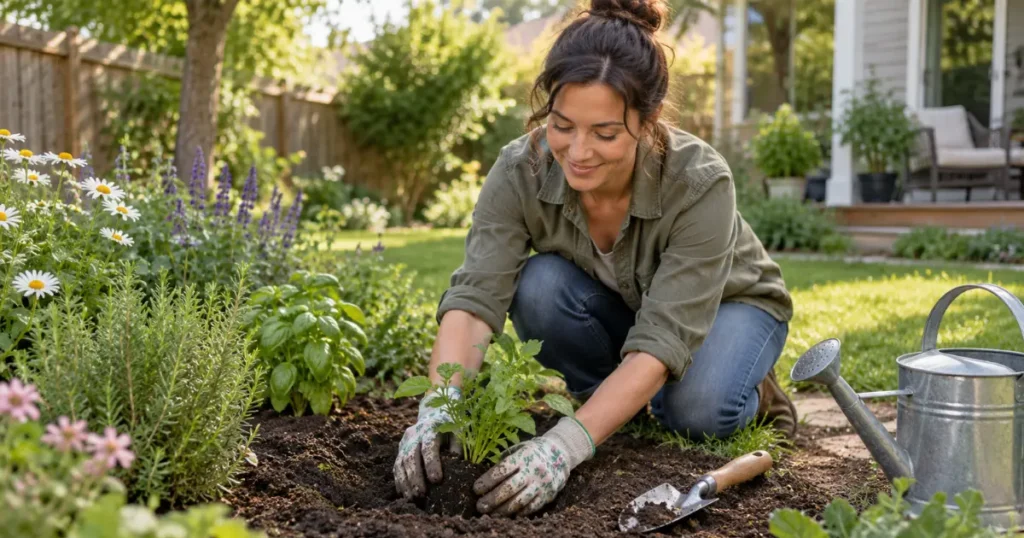
Starting a garden can feel more complicated than it needs to be. One source tells you to focus on sunlight, another talks about soil, and before long you are comparing raised beds, seeds, fertilizer, frost dates, and watering schedules. If you are learning how to start a garden for the first time, you do not need to master all of that before you begin.
A successful first garden starts with a simple sequence: decide what you want to grow, understand the space you have, choose a suitable way to grow, prepare the soil or growing medium, select plants that fit your conditions, plant at the right time, and then give those plants consistent basic care.
This guide walks through that process from beginning to end. It is designed as a general introduction to gardening for beginners, whether you are interested in flowers, herbs, vegetables, pollinator-friendly plants, containers, or a mixed home garden.
Quick Summary
- Start with a small, manageable garden that fits your time, space, and goals.
- Choose a location based on actual sunlight, drainage, water access, and convenience.
- Decide whether in-ground, raised-bed, or container gardening best suits your situation.
- Use the right soil or growing medium for the type of garden you choose.
- Select plants that match your light, climate, season, space, and moisture conditions.
- Water according to soil moisture, weather, and plant needs, not a rigid schedule.
- Observe your plants regularly and identify problems before treating them.
Table of contents
ToggleHow to Start a Garden in 8 Simple Steps
If you want the short version first, use this as your starting checklist:
- Decide what you want to grow. Your goals affect almost every decision that follows.
- Choose a suitable location. Pay attention to sunlight, drainage, water access, and convenience.
- Choose your garden type. Decide whether in-ground planting, a raised bed, or containers best fit your space.
- Check and prepare the soil or growing medium. Work with what your chosen garden type actually needs.
- Choose plants suited to your conditions. Match plants to your light, climate, space, moisture, and maintenance preferences.
- Plant at an appropriate time. Use local climate information, plant labels, and seed packets rather than a universal calendar.
- Plant correctly. Give seeds and transplants the right depth, spacing, and aftercare.
- Water and maintain your garden. Check moisture, watch plant growth, manage weeds, and respond to problems only after identifying them.
The detailed guide below expands that final maintenance step into separate sections on watering, mulch, fertilizer, and routine care.
Before You Start: Decide What Kind of Garden You Want
Before buying plants or digging a bed, decide what you want the garden to do for you.
Maybe you want fresh herbs near the kitchen, a small patch of vegetables, colorful flowers, a pollinator-friendly planting, attractive pots on a patio, or a mixed garden that combines several purposes. There is no single correct goal.
Your goal helps narrow later choices. A sunny patio might suit containers filled with herbs or flowers. A permanent backyard space might make an in-ground bed practical. Someone who wants easier access to the soil surface may prefer a raised bed. A gardener interested mainly in shade-tolerant ornamentals will make different plant choices from someone hoping to grow sun-loving crops.
You do not need a perfect long-term plan. You only need a clear enough first goal to make the next decision easier.
Start Smaller Than You Think You Need
One of the most useful tips for starting a garden is to make the first version manageable.
Every extra bed, pot, or row adds watering, weeding, planting, and observation. A large garden can be rewarding, but it also multiplies the number of small jobs that need attention during busy parts of the growing season.
If you are wondering how to start a small garden, focus less on a universal square footage and more on what you can realistically maintain. A few containers, one modest bed, or a small section of an existing border may teach you more than an ambitious garden that becomes difficult to care for.
It is easy to expand later. Shrinking an overcommitted garden after planting is harder.
Step 1: Choose the Right Place for Your Garden
A good garden location is not simply “the sunniest spot.” The right location is the one that matches the plants you intend to grow and makes routine care practical.
Watch the Sun
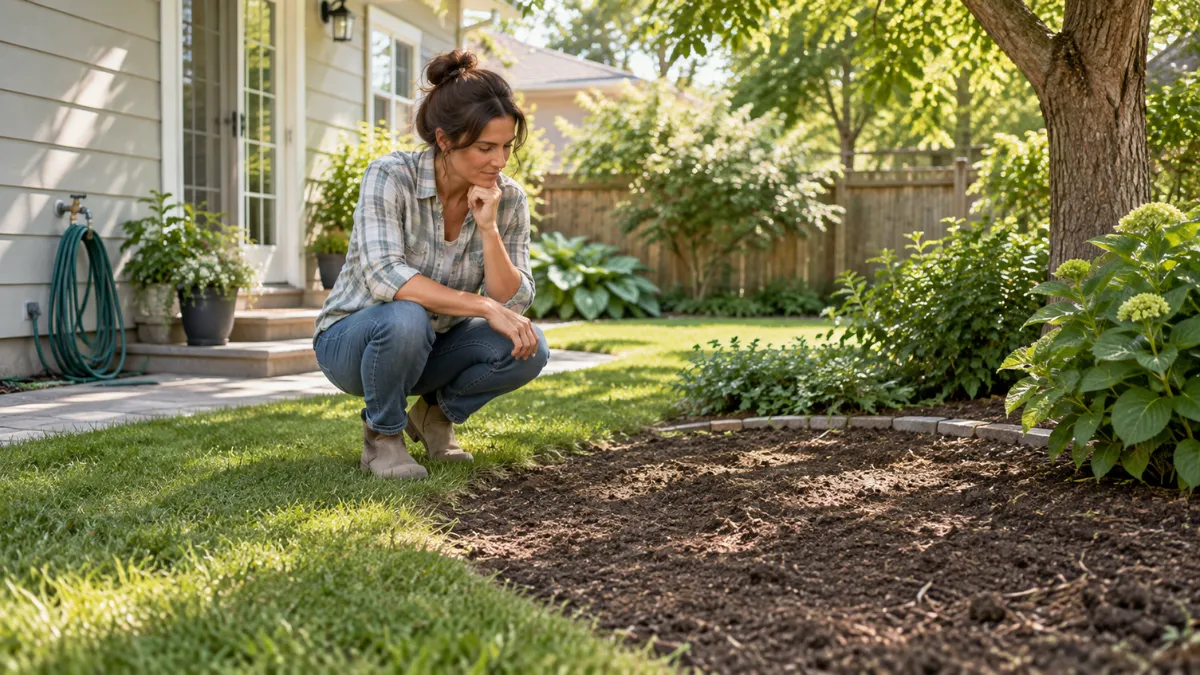
Spend a few days observing possible garden areas during the growing season. Notice when direct sun reaches each location, how long it stays, and whether buildings, fences, or trees create shade at different times.
Do not assume every plant needs the same amount of light. Some vegetables and flowering plants perform best with substantial direct sun, while many ornamentals and some edible plants tolerate or prefer less. Plant selection should follow the actual light conditions of the site rather than a blanket “full sun” rule. University of Maryland Extension similarly recommends assessing actual light, drainage, soil moisture, and mature plant size when selecting plants for a site.
Plant labels, seed packets, reputable plant databases, local nurseries, and regional horticultural resources can help you interpret what “full sun,” “part shade,” or similar terms mean for a particular plant.
Check Drainage
After rain or irrigation, look at how the site behaves. Does water soak in reasonably, or does the area remain saturated for long periods?
Roots need both water and oxygen. Persistently waterlogged conditions can damage plants that are not adapted to wet soil, so drainage should influence both site preparation and plant choice. In some locations, a raised bed or moisture-tolerant planting may be more appropriate than trying to force unsuitable plants into a chronically wet spot.
Keep Water Access Practical
Think about how you will actually water the garden. A bed that requires dragging a long hose around obstacles or carrying heavy watering cans up steps may become frustrating quickly.
Also consider access and visibility. A garden you walk past regularly is easier to observe. You are more likely to notice dry soil, weeds, storm damage, or early signs of plant stress when the garden is convenient to reach.
Step 2: Choose Between In-Ground, Raised-Bed, and Container Gardening
There is no universally best way to begin gardening. The most useful choice depends on your site, budget, mobility, available soil, and how permanent you want the garden to be.
In-Ground Garden
An in-ground garden uses the existing ground as the main growing area. It can be a practical option when you have suitable space and reasonably workable soil.
It may require less construction than a raised bed, but existing soil conditions matter. Compaction, drainage, weeds, fertility, contamination concerns, or extremely difficult soil can change how easy the site is to use.
Raised Bed
A raised bed holds a growing medium or soil mix above the surrounding grade. Raised beds can provide more control over the growing area and may improve access, organization, or drainage in some situations.
They also require materials, filling, and initial setup. A raised bed is not automatically better than good in-ground soil, and what you fill it with matters.
Container Garden
Containers can make starting a garden from scratch possible on a patio, balcony, doorstep, rental property, or other small space. They are flexible and can be easier to rearrange than permanent beds.
Their limited volume is also their main constraint. Container growing media can dry faster than garden soil, root space is restricted, and drainage must be adequate. The size and type of container should suit the plants you intend to grow.
In-ground
Often useful when You have suitable permanent ground.
Main consideration Existing soil condition and preparation.
Raised bed
Often useful when More control, organization, drainage, or accessibility is useful.
Main consideration Setup, materials, and filling the bed.
Containers
Often useful when Space is limited or flexibility matters.
Main consideration Faster drying, drainage, and container care.
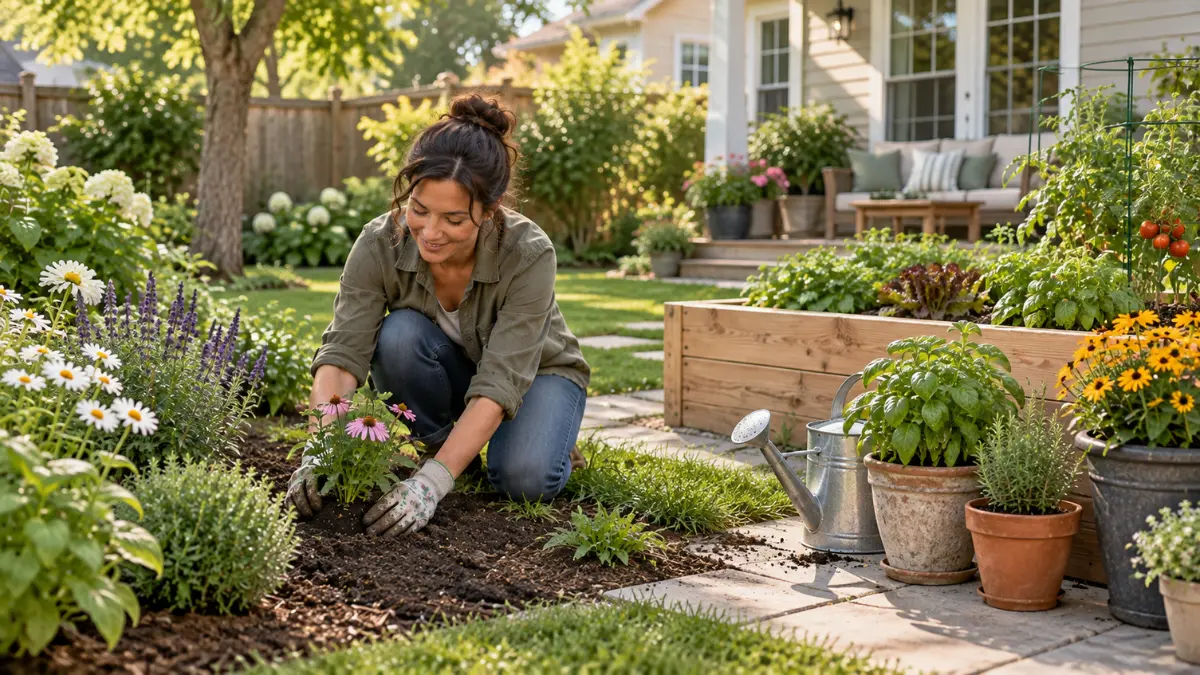
Choose Your Starting Point
If you are still unsure, use this simple decision aid:
- You have usable ground and want a permanent garden: consider starting in-ground.
- Your existing soil is difficult, drainage needs improvement, or easier physical access matters: a raised bed may be useful.
- You have a patio, balcony, rental, paved space, or very little room: containers are often the simplest starting point.
- More than one option fits: start with the one you can maintain most easily. You can combine methods later.
This is a starting decision, not a permanent commitment. Many home gardens eventually contain a mixture of beds and containers.
Step 3: Get the Soil or Growing Medium Ready
Plants need a root environment that provides water, air, physical support, and appropriate nutrients. How you create that environment depends on whether you are gardening in the ground, in a raised bed, or in a container.
For an In-Ground Garden
Start by looking at the soil you already have rather than automatically adding bags of amendments.
Remove obvious trash and problem weeds from the planting area. Notice whether the soil is extremely compacted, sandy, sticky when wet, slow to drain, or otherwise difficult to work with.
A soil test can be especially useful when creating a new garden bed because it can provide information about factors such as soil pH, organic matter, texture, and nutrient levels. Test results can help you avoid adding lime, fertilizer, or other amendments that are not actually needed. University of Minnesota Extension specifically recommends testing when converting an area such as lawn into a garden and notes that soil texture helps inform watering, fertility, and planting decisions.
If you are unsure about your soil’s nutrient levels or pH, a laboratory soil test can provide useful guidance before you add fertilizer or other amendments. The University of Minnesota Extension explains what a home-garden soil test can reveal and how to collect a representative sample.
For Raised Beds
Fill raised beds with an appropriate soil or raised-bed mix that offers both mineral material and organic matter.
Do not fill a raised bed entirely with pure compost. Compost can be a valuable component of a growing mix, but it is not a substitute for the mineral fraction of soil, and excessive compost can create nutrient or salt problems depending on the material. Oregon State University Extension specifically advises using a soil mix rather than compost alone in framed raised beds.
If you buy a bulk raised-bed blend, learn what it contains rather than assuming every product sold as “garden mix” is equivalent.
For Containers
Use a growing medium designed for containers. These mixes are formulated to balance moisture retention with the air space and drainage roots need.
Ordinary garden soil is not the default choice for pots. In a container, it can be too dense, reducing the movement of water and air around roots. Make sure the container itself also has an appropriate way for excess water to drain.
This distinction is one of the most important basics when you are learning how to begin gardening in pots.
Step 4: Choose Plants That Fit Your Garden
A simple rule prevents many gardening problems:
Match the plant to the site.
Before buying a plant because you like the photo, flower color, fruit, or label, check whether your garden can provide what it needs.
Consider:
- the amount of direct sunlight;
- your climate and seasonal conditions;
- available growing space;
- the plant’s mature size;
- typical soil moisture and drainage;
- whether it will live in a container or the ground;
- the amount of care you want to provide;
- your goal for the garden.
Mature size is easy for beginners to overlook. A small nursery plant may eventually spread or grow far beyond the space it occupies on purchase day. Allowing reasonable space can reduce crowding and repeated corrective pruning later.
Easy Does Not Mean the Same Everywhere
Lists of “easy beginner plants” can be useful for ideas, but they should not replace local judgment.
A plant that is almost effortless in one climate may struggle with the heat, cold, humidity, rainfall, soil, or pest pressure of another. Even within the same town, a sunny exposed yard and a sheltered shaded courtyard can behave differently.
For a first garden, favor plants that are well suited to your actual conditions. Local Extension services, botanical gardens, reputable nurseries, horticultural organizations, and equivalent regional resources can help identify appropriate choices.
That approach is more reliable than searching for one universal list of the easiest plants for gardening for beginners.
Step 5: Know When to Plant
There is no single month when everyone should start a garden.
Planting time depends on where you live, what you are growing, and the conditions the plant can tolerate. Frost-sensitive warm-season plants, cool-season crops, hardy perennials, bulbs, shrubs, and tropical container plants do not share one calendar.
For seasonal annuals and food crops, useful timing information may include:
- local average frost dates;
- current weather and unusual cold or heat;
- soil temperature for seeds that need particular conditions to germinate;
- whether the plant is cool-season or warm-season;
- instructions on the seed packet or plant label;
- regional planting calendars.
In the United States, Cooperative Extension resources can provide locally relevant timing guidance. Elsewhere, use reputable horticultural or agricultural guidance for your region.
An average last-frost date is a planning tool, not a guarantee that frost cannot occur later. Check current conditions before putting tender plants outdoors. Extension guidance likewise distinguishes frost-tolerant cool-season plants from frost-sensitive warm-season plants and emphasizes local conditions rather than one nationwide planting date.
Step 6: Decide Whether to Start With Seeds or Young Plants
Seeds and young plants are both useful starting points. You do not need to commit to only one.
Seeds often cost less per plant and may give you access to a much wider range of varieties. They also require time for germination and early growth, and some plants need to be started well before outdoor planting conditions are suitable.
Young plants, often called transplants or starts, give you a head start. They can be convenient when the growing season is short, when a plant takes a long time to reach useful size, or when you simply want fewer seedling-care steps.
Some plants are commonly direct-sown because they grow well from seed in their final location, while others are frequently transplanted. The best choice is plant-specific. Extension planting guidance likewise varies direct-seeding and transplant recommendations by crop rather than treating one method as universally superior.
Seeds
- Upfront cost
- Usually lower per plant
- Variety
- Often much wider
- Time to established plant
- Longer
- Early care
- Germination and seedling care required
- Convenience
- More planning may be needed
- Growing-season fit
- Some plants may need an indoor head start
- Best choice
- Depends on species/conditions
Young plants/transplants
- Upfront cost
- Usually higher per plant
- Variety
- Limited to what sellers offer
- Time to established plant
- Shorter
- Early care
- Much of early growth already completed
- Convenience
- Often simpler for a small first garden
- Growing-season fit
- Can extend the effective outdoor season
- Best choice
- Depends on species/conditions
If you start seedlings indoors, plants that have been growing in protected conditions may need gradual acclimation before they move outdoors. Follow plant-specific guidance rather than moving tender seedlings abruptly into intense sun, wind, or cold.
Step 7: Plant Your Garden
Planting does not need to be complicated, but details matter.
For seeds, use the seed packet as your first reference for sowing depth, spacing, and timing. Planting depth varies among species, and some very small seeds need shallow covering or specific light conditions. University of Maryland Extension also recommends using seed-packet guidance for depth and spacing rather than applying one depth to every seed.
For young plants, check the label or reputable plant-specific instructions. Handle the root system gently, give it enough room in the planting hole, and avoid squeezing plants closer together simply because they look small now.
Good spacing helps plants reach their expected size and can improve airflow and access for maintenance. Overcrowding can increase competition for light, water, and nutrients.
After planting, water appropriately to help settle the root zone or seedbed without washing seeds away or leaving the soil unnecessarily saturated.
Step 8: Water Your New Garden Correctly
A rigid watering calendar is one of the easiest ways to get garden care wrong.
How quickly a garden dries depends on the weather, rainfall, wind, temperature, plant size, root establishment, soil texture, mulch, container size, and growing medium. Containers often need more frequent checking because their smaller volume can dry faster.
Instead of automatically watering every day or every few days, check moisture. Feel or inspect the soil or growing medium at a useful root-zone depth for the plants you are growing. If it is still adequately moist, more water may not be needed yet. Oregon State University Extension recommends checking soil moisture and plant condition to help determine when watering is needed, rather than relying only on a fixed schedule.
When watering, aim to wet the root zone rather than giving only a quick splash to the surface. Newly planted plants deserve closer monitoring while their roots establish.
Morning can be a convenient time to water because temperatures are often cooler and foliage has time to dry, but it is more important to respond to actual plant need than to postpone essential watering simply because it is not morning.
Step 9: Add Mulch and Fertilizer Only When Appropriate
Mulch and fertilizer can both be useful. Neither should be applied automatically without considering the garden and plants.
Mulch
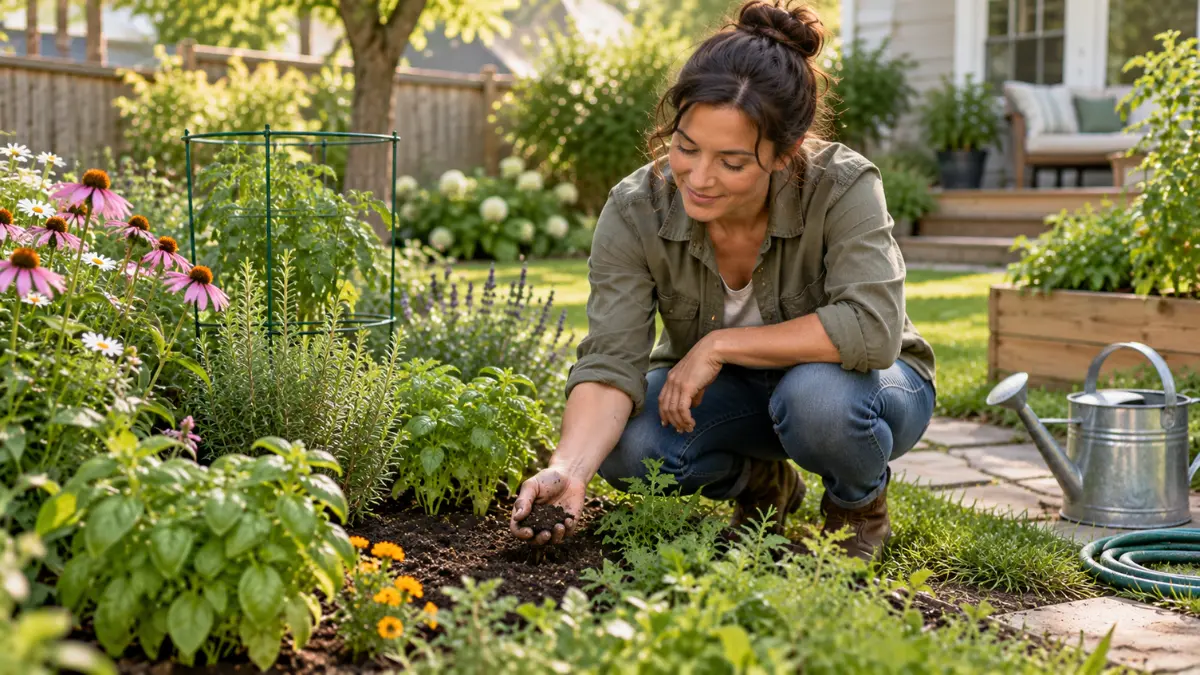
Mulch can reduce evaporation from the soil surface, suppress many weeds, moderate soil temperature, and protect bare soil. Organic materials such as shredded leaves, wood chips, bark, straw, or compost may be appropriate in different situations.
The best material and depth depend on the planting. Keep mulch from being piled tightly against stems, crowns, or tree trunks, where excessive moisture can contribute to problems.
If you have just sown tiny seeds directly into a bed, do not bury the seedbed beneath a heavy layer of mulch before seedlings emerge.
Fertilizer
More fertilizer does not mean more plant growth.
Plants need nutrients, but the correct fertilizer choice and amount depend on the plant, soil or growing medium, existing nutrient levels, and the product being used. A soil test can help guide fertilizer decisions for in-ground gardens.
Potting mixes may already contain fertilizer, while other container mixes do not. Container plants can also lose nutrients through repeated watering, so their needs can differ from plants rooted in garden soil.
Compost contributes organic matter and contains nutrients, but its nutrient content varies. Do not treat compost as a guaranteed complete fertilizer or assume adding more is always beneficial. Excessive compost can create undesirable soil conditions, and nutrient availability varies with the material.
When fertilizer is needed, follow the product label and plant-specific guidance. Excess nutrients can harm plants or contribute to environmental problems, which is another reason to avoid applying fertilizer merely as a routine habit.
Step 10: Follow a Simple Garden-Care Routine
A garden does not need constant intervention. It benefits more from regular observation.
Once or twice during your normal routine, look closely at the garden and notice:
- whether the soil or growing medium is becoming dry;
- new weeds;
- new growth;
- yellowing, browning, spotting, or unusual distortion;
- broken stems or weather damage;
- plants beginning to crowd one another;
- insects or signs of feeding;
- possible disease symptoms;
- plants that need support or staking.
The most useful troubleshooting habit is simple:
Observe and identify before treating.
A wilted plant, for example, is not automatically a thirsty plant. Wilting can have different causes, including problems associated with overly wet root conditions. Similarly, leaf damage does not automatically mean a pesticide is needed.
Look at the whole situation: recent weather, moisture, which leaves are affected, whether the problem is spreading, and whether insects or other clues are present. Correct identification leads to better decisions and helps prevent unnecessary treatment. Integrated Pest Management guidance from University of Maryland Extension similarly emphasizes regular inspection, accurate diagnosis, and determining whether action is actually required before choosing a treatment.10 Common Beginner Gardening Mistakes to Avoid
1. Starting too large
A big first garden creates a big maintenance workload. Start with an area you can water, weed, and observe consistently, then expand after you understand how much time your garden requires.
2. Choosing plants before understanding the site
Buying first and finding a location later often leads to mismatched light, moisture, or space. Observe your garden before choosing most of your plants.
3. Ignoring sunlight
Do not guess based on how bright a spot feels. Watch how direct sunlight actually moves across the area during the day and choose plants accordingly.
4. Overcrowding plants
Small transplants can make a freshly planted bed look empty, which tempts beginners to add more. Check mature size and recommended spacing. The gaps usually become less noticeable as plants grow.
5. Watering on an inflexible schedule
“Every day” or “twice a week” ignores rainfall, heat, soil, plant type, and containers. Check moisture and adjust to conditions.
6. Using unsuitable soil in containers
Dense garden soil can perform poorly in pots because container roots need an appropriate balance of water and air. Use a growing medium intended for container culture.
7. Planting at the wrong seasonal time
A warm afternoon does not necessarily mean frost-sensitive plants are safe outdoors, and cool-season plants may perform poorly if planted too late into hot weather. Check local guidance.
8. Fertilizing without knowing whether it is needed
Adding fertilizer “just in case” can waste money and damage plants. Understand the plant, growing medium, and soil conditions first.
9. Treating symptoms before identifying the cause
Yellow leaves, spots, holes, or wilting can have many causes. Diagnose before reaching for a pesticide, fungicide, fertilizer, or other treatment.
10. Expecting every plant to succeed
Gardens are living systems. Weather changes, pests appear, individual plants fail, and some choices simply turn out to be a poor fit for the site. Treat those outcomes as information for the next planting rather than proof that you cannot garden.
What Do You Really Need to Start a Garden?
Gardening stores can make beginning a garden look equipment-heavy. It does not have to be.
Depending on the garden type, your basic needs are usually:
- A suitable growing space: ground, a raised bed, or appropriately sized containers.
- Appropriate soil or growing medium: based on how and what you are growing.
- Plants or seeds: chosen for your conditions and season.
- A practical water source: hose, watering can, irrigation system, or another suitable method.
- A few useful hand tools: the exact tools depend on the work you will do.
- Gloves if you want them: useful for comfort and some tasks, but not a requirement for every gardening job.
- Mulch where appropriate: useful in many beds, but not something every plant or newly seeded area needs immediately.
You do not need a shed full of specialized gadgets. For many small gardens, a trowel, a way to water, and one or two tools suited to soil and weeding are enough to begin.
Your First Week: A Simple Garden-Starting Plan
If you are unsure how to begin gardening because everything seems to need doing at once, separate planning into small tasks.
Day 1: Decide what you want to grow.
Choose a broad goal: flowers, herbs, vegetables, a mixed garden, containers, or another manageable idea.
Day 2: Observe possible locations.
Watch sunlight, look at drainage, and think about water access.
Day 3: Choose your garden type and size.
Decide between in-ground, raised beds, or containers, and keep the first project manageable.
Day 4: Check the soil or growing-medium requirements.
Assess existing soil or choose an appropriate raised-bed or container medium.
Day 5: Select appropriate plants or seeds.
Match your choices to light, climate, available space, and the current season.
Day 6: Prepare the space and gather essentials.
Clear the immediate planting area, prepare containers or beds, and gather the few tools you need.
Day 7: Plant—if conditions are appropriate.
Plant only if local weather, soil conditions, and seasonal timing suit what you are growing.
This is an organizational example, not a rule that says you must plant a garden within seven days. You may spend longer observing light, waiting for suitable weather, testing soil, or gathering materials. That is good planning, not lost time.
What to Learn After Starting Your First Garden
Once you understand how to start a garden, you do not need to learn every gardening subject at once. Build your knowledge around the next problem or decision you actually face.
If you are working with an existing garden bed, the next useful step is learning how to understand your soil and improve it only when necessary. Good soil preparation can make later decisions about planting, watering, and feeding much easier.
Moisture management is another skill worth developing early. Learning to judge when the soil actually needs water can help you avoid both underwatering and unnecessary watering.
As your garden develops, you can gradually learn which tools are genuinely useful for the work you do. There is no need to buy every gardening tool at the beginning.
Composting is also worth exploring when you are ready to recycle suitable garden and kitchen materials into a useful soil amendment.
From there, you can go deeper into the type of gardening that interests you most—whether that means growing vegetables, cultivating herbs, or creating a flower garden.
Frequently Asked Questions About Starting a Garden
How do I start a garden for the first time?
Start by deciding what you want to grow and observing the space available to you. Check sunlight, drainage, and water access; choose an in-ground bed, raised bed, or containers; then prepare the appropriate soil or growing medium. Select plants suited to your site and season, plant them correctly, and monitor moisture and plant health as they establish.
The best way to learn how to start a garden is to begin with a manageable project rather than trying to solve every possible gardening question in advance.
What is the easiest type of garden for a beginner?
There is no single easiest type for everyone. Containers can be convenient when space is limited, raised beds can provide more control over the growing area, and in-ground gardens can be straightforward where suitable soil and space already exist.
Choose the method that fits your site, physical needs, budget, and available time.
How small should a beginner garden be?
Small enough that you can care for it consistently. That might mean a few pots, a modest bed, or a small section of your yard.
Instead of aiming for a universal measurement, think about how much watering, weeding, planting, and observation you can comfortably manage during your busiest weeks.
What month should I start a garden?
There is no universal month. Planting time depends on your location, climate, frost risk, soil conditions, and the plants you want to grow.
Use local planting guidance, seed packets, plant labels, and current weather information. Some plants prefer cool conditions, while frost-sensitive plants need warmer weather.
Is it better to start a garden with seeds or plants?
It depends on the plant and your situation. Seeds generally offer more variety at a lower cost per plant, while purchased transplants save time and may be easier for some long-season plants or a small first garden.
Many gardeners use both.
What do I need to start a garden?
At minimum, you need a suitable place to grow, appropriate soil or growing medium, plants or seeds, access to water, and whatever basic tools are necessary for the job. Containers also need adequate drainage.
Start with essentials rather than buying specialized equipment before you know you need it.
Start With the Garden You Can Care For
Learning how to start a garden is less about finding one perfect formula and more about making a series of sensible decisions.
Understand your site. Begin at a manageable scale. Match plants to the conditions you actually have. Plant when local conditions are appropriate. Water according to moisture and weather rather than habit. Most importantly, keep observing what your plants are telling you.
Your first garden does not need to be large or flawless. Choose one realistic starting point, prepare it well, and grow from there.